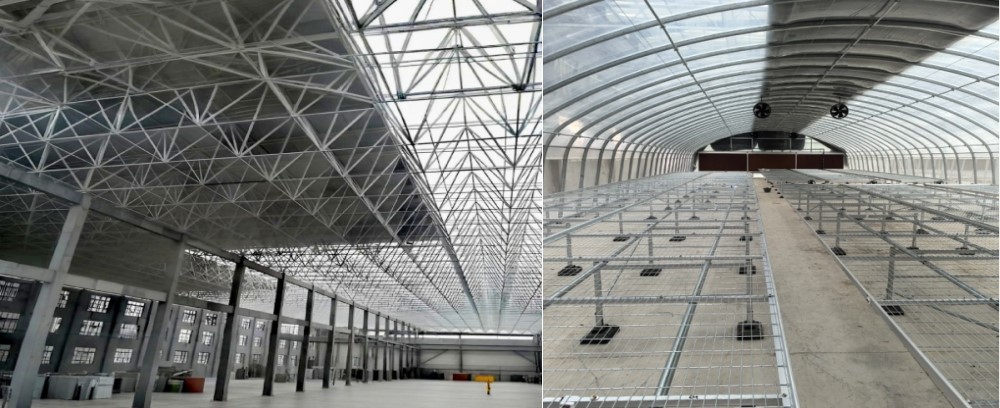
Giới thiệu
Cầu là thành phần quan trọng của cơ sở hạ tầng giao thông, đòi hỏi vật liệu có độ bền, độ bền và khả năng chống chịu áp lực môi trường đặc biệt. Kết cấu thép đã trở thành lựa chọn ưu tiên cho việc xây dựng cầu hiện đại do khả năng chịu tải nặng, chịu được mỏi và cho phép kéo dài nhịp với mức bảo trì tối thiểu.
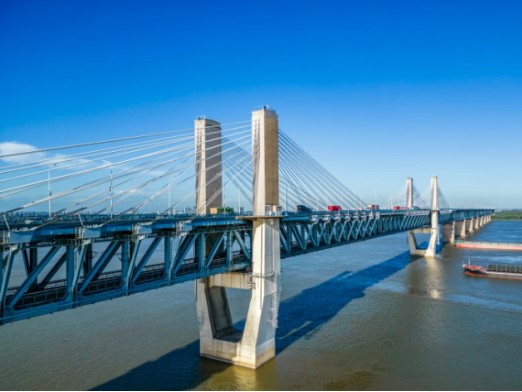

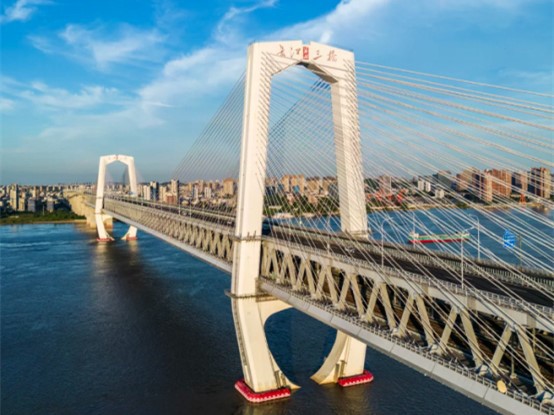
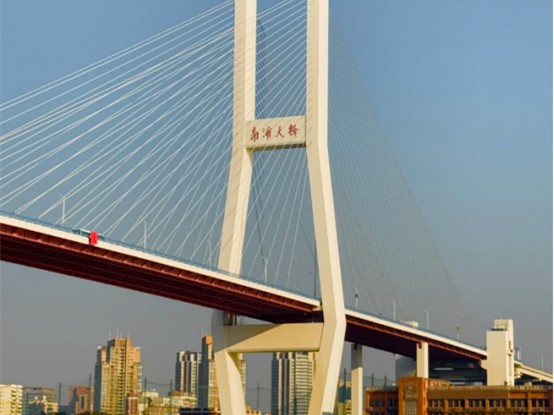
Mô tả sản phẩm
Tải trọng cao-Khả năng chịu lực
Thép hỗ trợ giao thông xe cộ và người đi bộ nặng trong khi vẫn duy trì tính toàn vẹn của cấu trúc.
Chống mỏi
Hiệu suất vượt trội dưới áp lực và độ rung lặp đi lặp lại đảm bảo tuổi thọ lâu dài.
Tính linh hoạt trong thiết kế
Thép có thể được chế tạo thành các hình dạng phức tạp, tạo nên những cây cầu-có nhịp dài và các hình thức kiến trúc sáng tạo.
Độ bền và chống ăn mòn
Với lớp phủ bảo vệ, cầu thép chống ăn mòn, thời tiết và suy thoái môi trường.
Đặc trưngỨng dụng
Cầu đường cao tốc và đường sắt
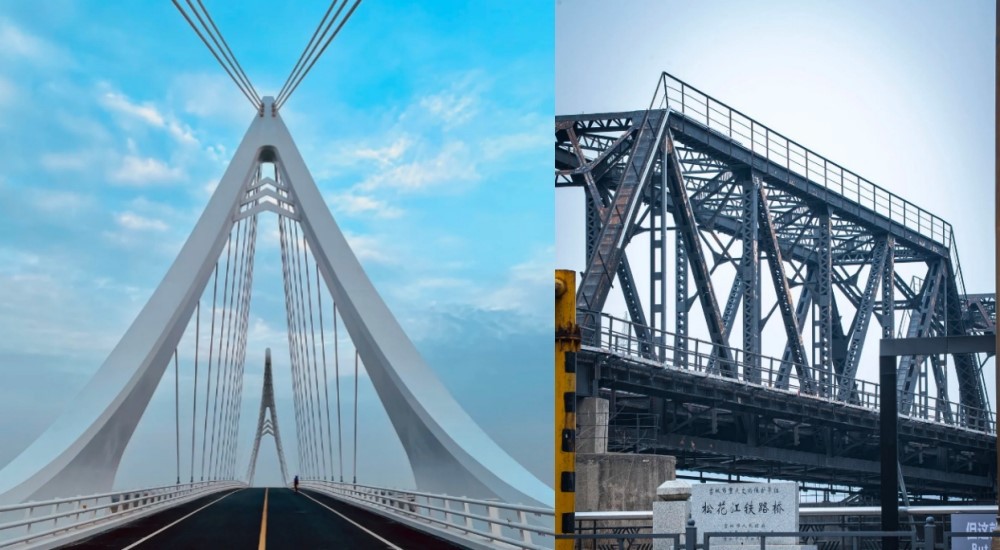
Cầu vượt và cầu vượt dành cho người đi bộ
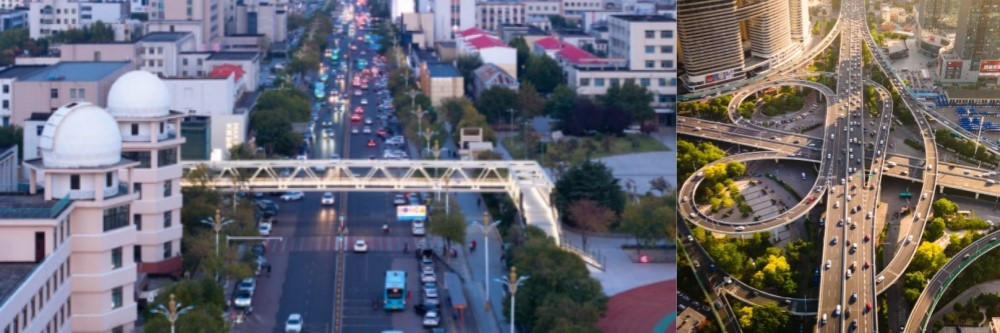
Mặt cầu, dầm và giàn cầu
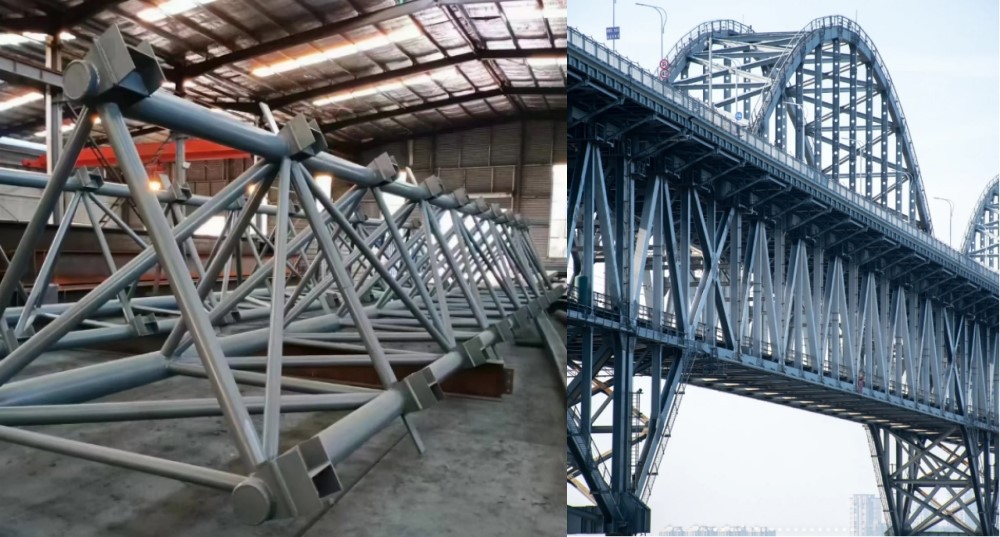
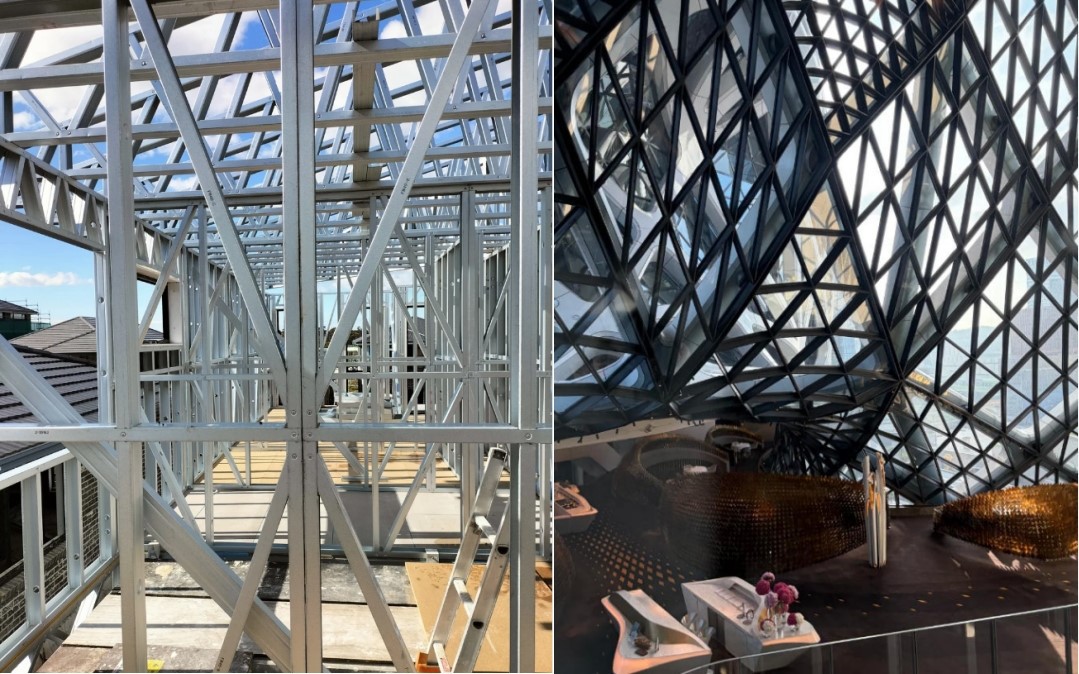
Kết cấu thép tạo thành xương sống của các tòa nhà hiện đại, cung cấp một khuôn khổ đáng tin cậy, đảm bảo an toàn và linh hoạt. Đặc tính cơ học đồng nhất, dễ chế tạo và khả năng thích ứng khiến nó trở nên lý tưởng cho việc xây dựng-nhà cao tầng, thương mại và dân cư.
Ưu điểm & Tính năng chính
Sức mạnh và độ tin cậy thống nhất
Hiệu suất cơ học có thể dự đoán được đảm bảo an toàn và tuân thủ các quy chuẩn xây dựng.
Xây dựng nhanh
Các thành phần thép đúc sẵn giúp giảm-thời gian lắp ráp tại chỗ.
Thiết kế linh hoạt
Thép cho phép bố trí kiến trúc sáng tạo và không gian rộng mở mà không cần cột đỡ quá mức.
Khả năng chống địa chấn và gió
Tính linh hoạt và độ dẻo dai tuyệt vời làm cho kết cấu thép có khả năng đàn hồi trước các lực tự nhiên.
Ứng dụng điển hình
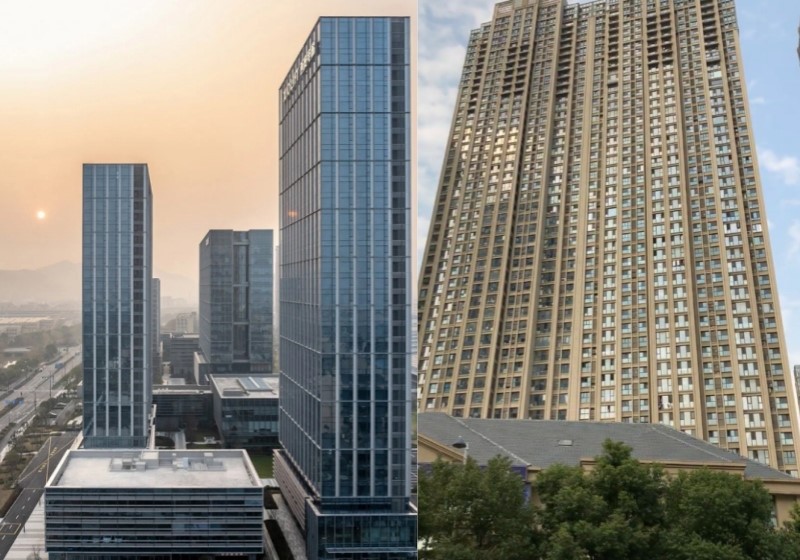
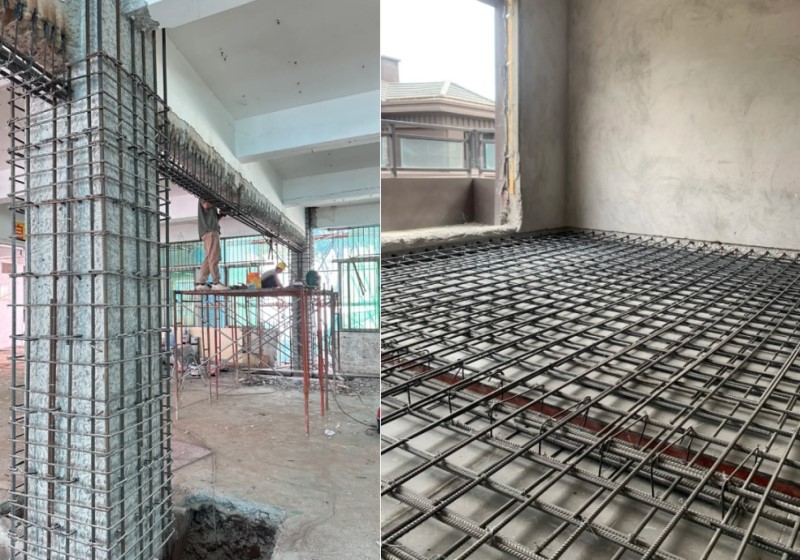
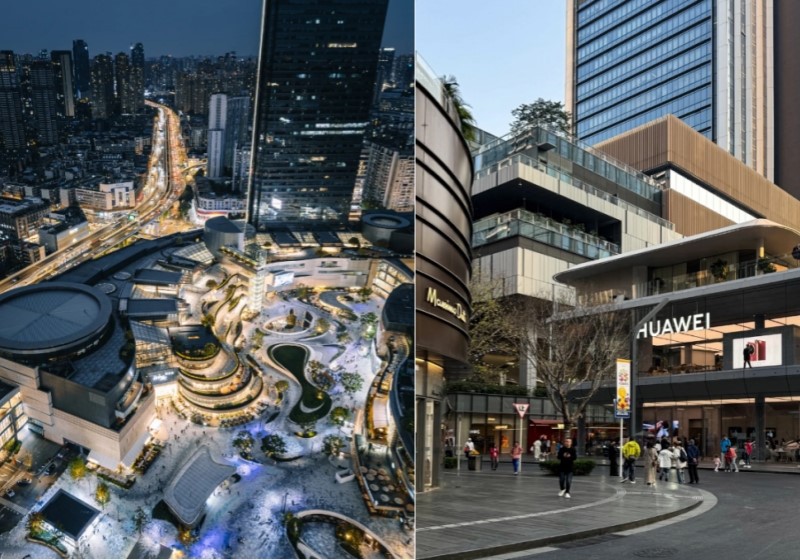
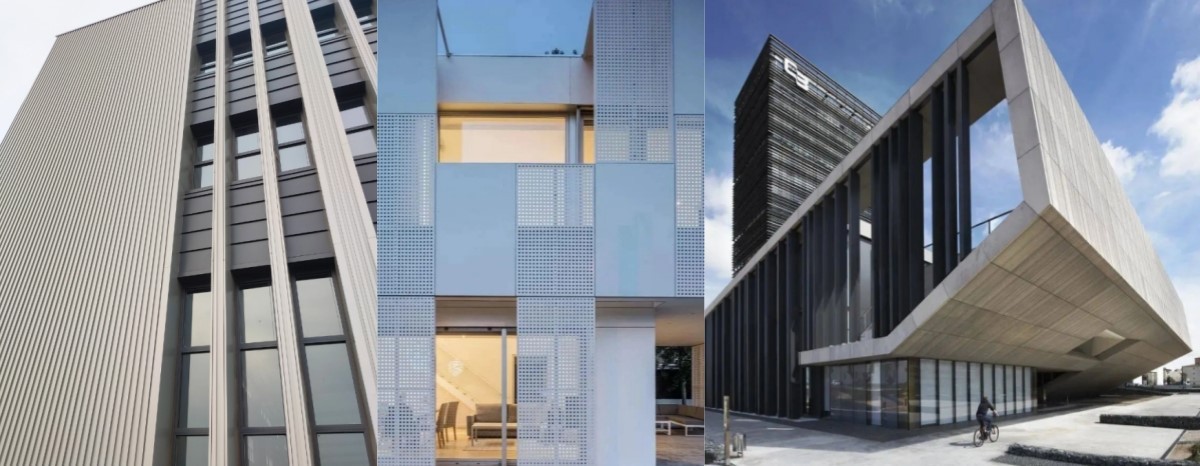
Thép được sử dụng rộng rãi ở mặt tiền và hệ thống ốp bên ngoài, kết hợp sức mạnh với tính thẩm mỹ. Các thiết kế kiến trúc hiện đại dựa vào thép để làm tấm, các chi tiết trang trí và tường rèm đòi hỏi độ bền và mức bảo trì tối thiểu.
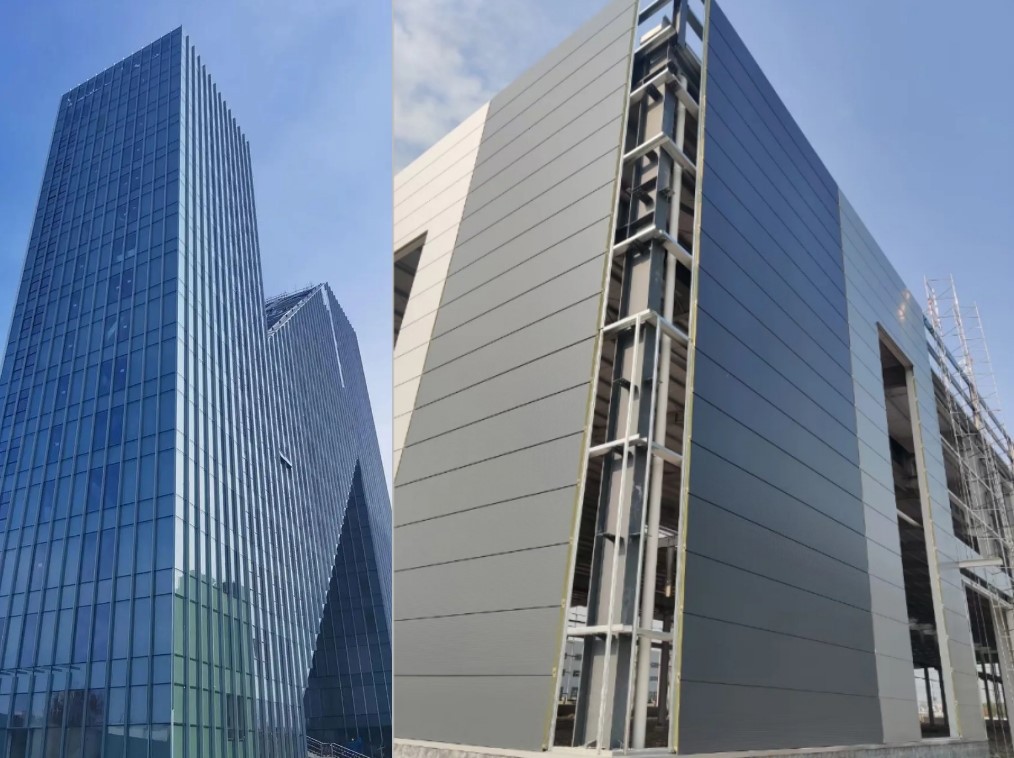
Ưu điểm & Tính năng chính
Chống ăn mòn
Xử lý bề mặt thích hợp đảm bảo hiệu suất-lâu dài ở nhiều vùng khí hậu khác nhau.
Nhẹ và mạnh mẽ
Các tấm thép cung cấp hỗ trợ kết cấu mà không tạo ra trọng lượng quá lớn cho khung tòa nhà.
Tính linh hoạt về mặt thẩm mỹ
Có thể được hoàn thiện bằng lớp phủ, sơn hoặc kết cấu cho các thiết kế kiến trúc sáng tạo.
Bảo trì thấp
Chống tia cực tím, thời tiết và mài mòn cơ học, giảm-chi phí bảo trì lâu dài.
Ứng dụng điển hình
- Tường rèm và tấm ốp bên ngoài
- Tấm che nắng, cửa chớp và điểm nhấn kiến trúc
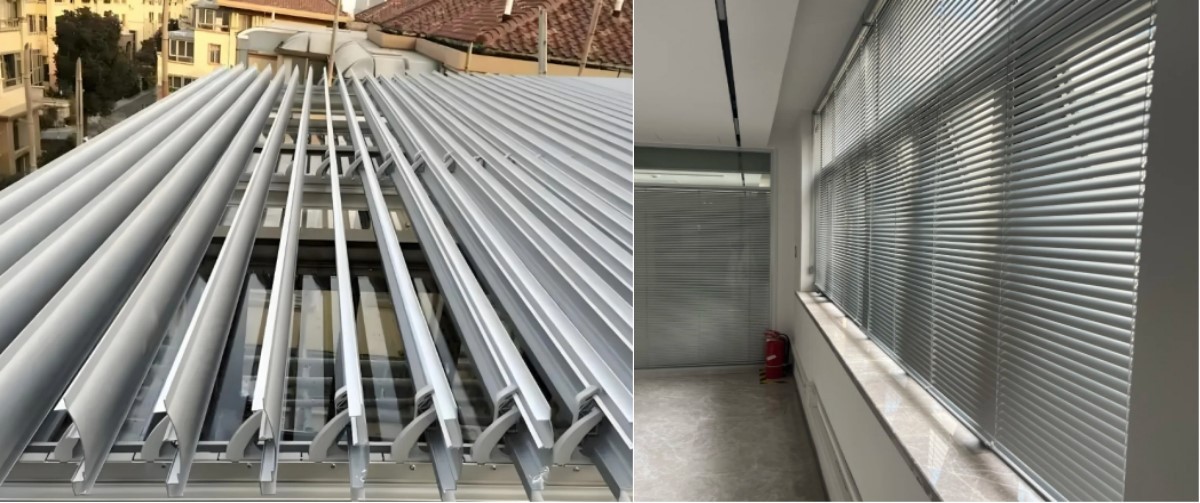
-
Tấm ốp tường bên ngoài cho tòa nhà thương mại và dân cư

Giới thiệu
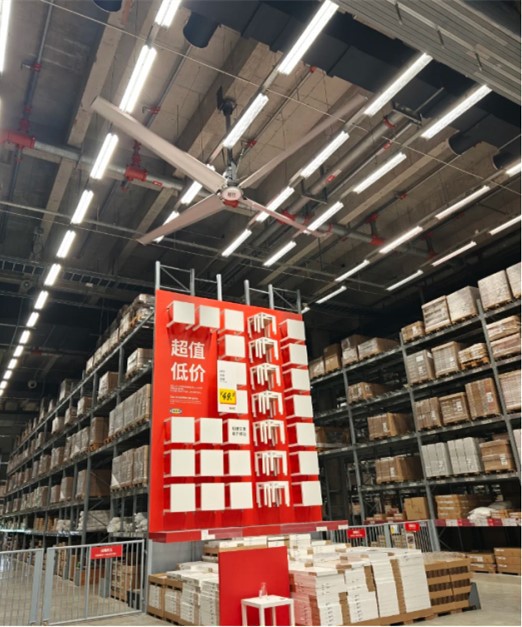
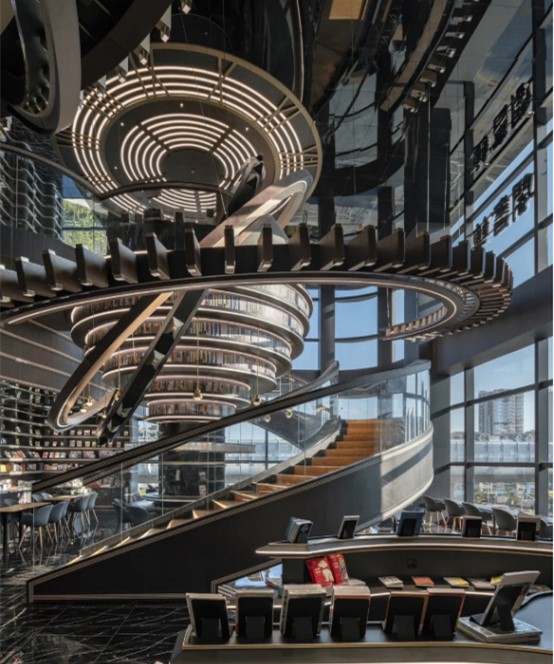
Thép cũng được sử dụng rộng rãi cho các ứng dụng kiến trúc nội thất, nơi hiệu suất kết cấu và sự hấp dẫn thị giác đều quan trọng. Khả năng thích ứng của nó cho phép tạo ra các thiết kế hiện đại, cách bố trí tiện dụng và nội thất lâu dài-.
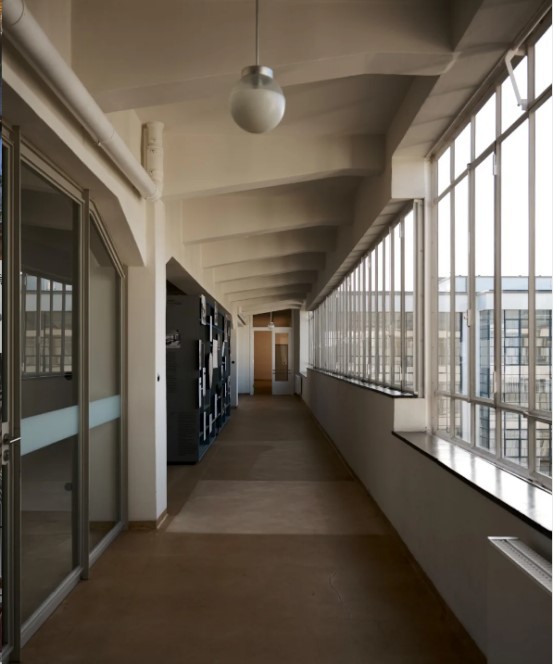
Ưu điểm & Tính năng chính
Độ chính xác cao và độ chính xác kích thước:Đảm bảo tích hợp liền mạch trong khung nội thất và đồ nội thất.
Độ bền và tuổi thọ:Thép duy trì các đặc tính của nó theo thời gian dưới tác động và áp lực sử dụng hàng ngày.
Tính linh hoạt của thiết kế:Dễ dàng chế tạo thành vách ngăn, lan can, cầu thang và các chi tiết trang trí.
Tùy chọn hoàn thiện bề mặt:Có thể được đánh bóng, phủ hoặc sơn để phù hợp với thẩm mỹ nội thất.
Ứng dụng điển hình
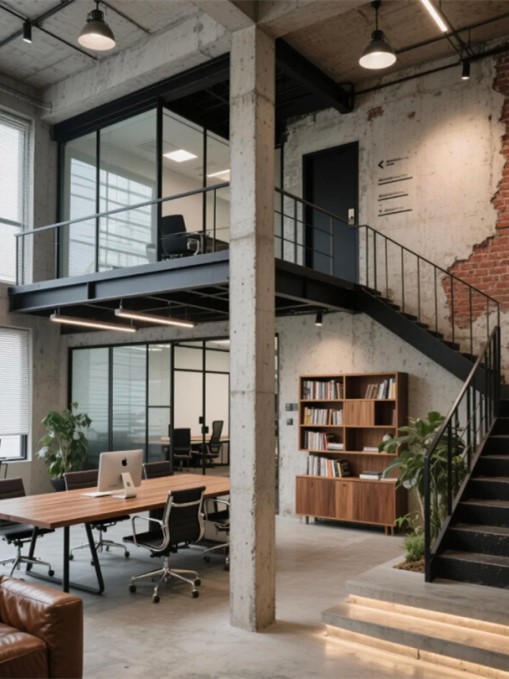
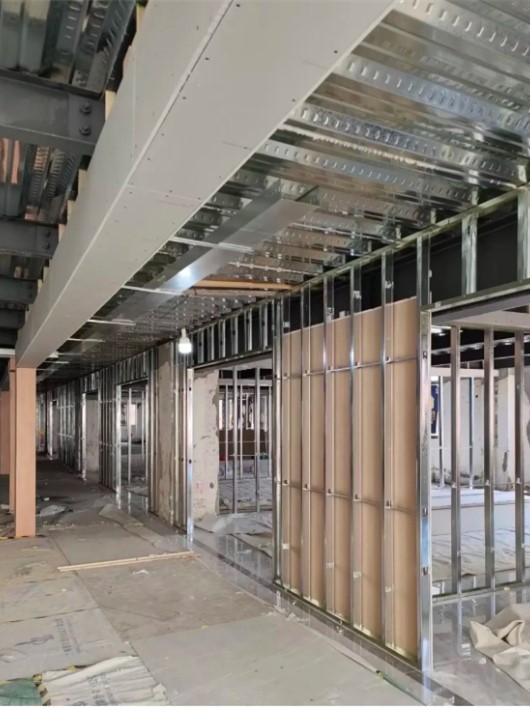
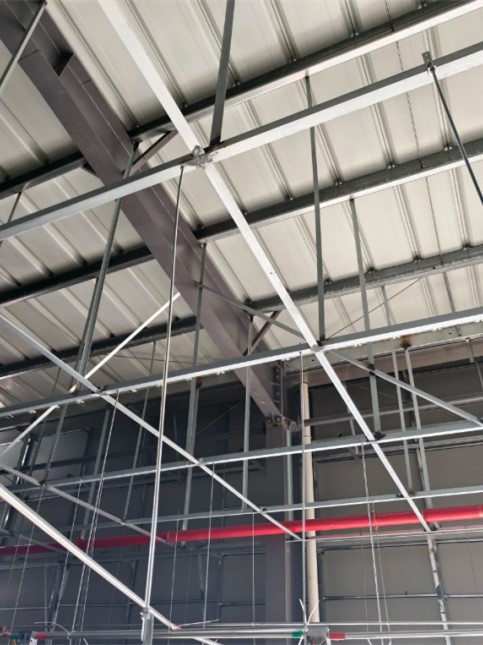
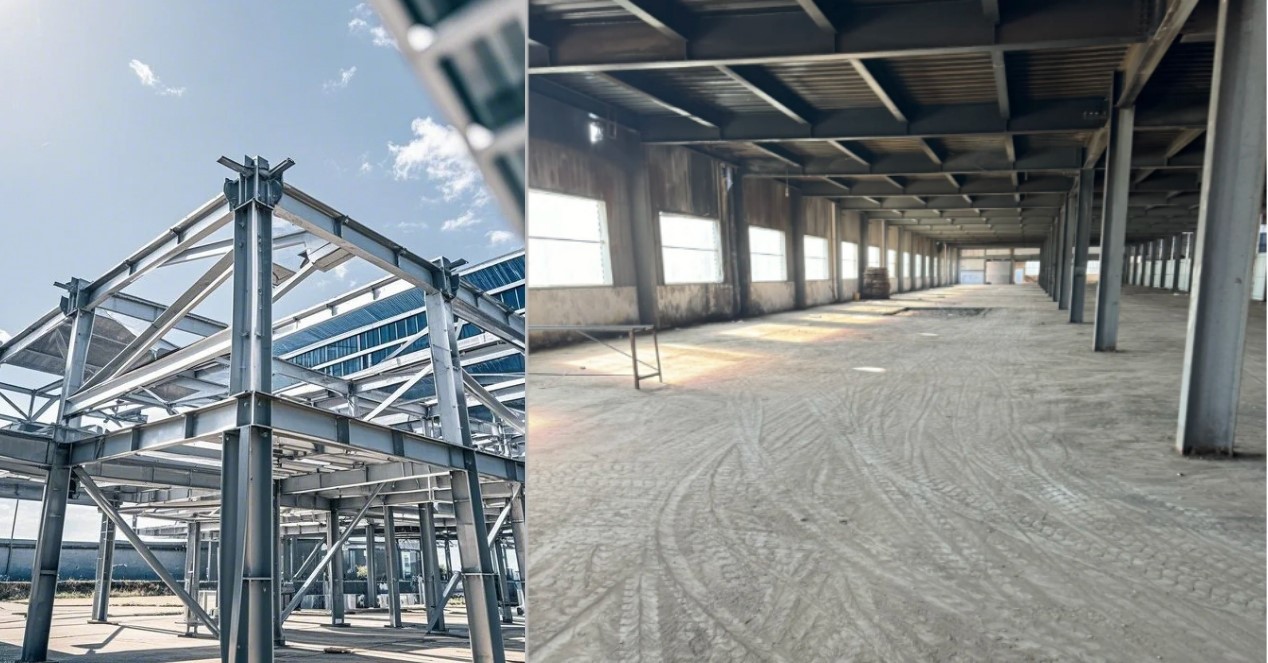
Kết cấu thép rất cần thiết cho-các dự án quy mô lớn đòi hỏi cường độ, độ chính xác và độ bền cao. Kết cấu thép đúc sẵn và mô-đun cho phép xây dựng nhanh chóng với độ tin cậy tuyệt vời.
Ưu điểm & Tính năng chính
Tải trọng cao-Sức chịu lực
Hỗ trợ tải nặng trên các nhịp lớn với độ lệch tối thiểu.
Hiệu suất chế tạo và hàn
Dễ dàng cắt, hàn và lắp ráp-tại chỗ hoặc bên ngoài-cơ sở.
Tính linh hoạt cho việc xây dựng mô-đun
Các phần đúc sẵn cho phép lắp đặt nhanh chóng và hậu cần hiệu quả.
Độ bền lâu dài-
Chịu được sự mài mòn của môi trường và cơ học, đảm bảo tuổi thọ sử dụng hàng chục năm.
Ứng dụng điển hình
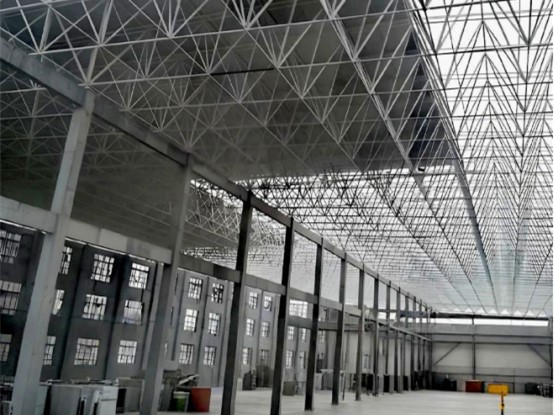
Khung kết cấu cho các cơ sở công nghiệp
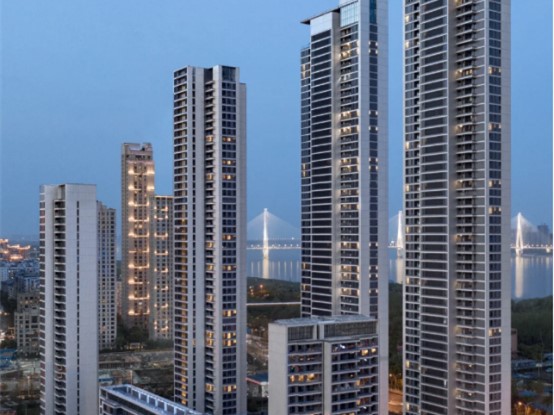
Tòa nhà thương mại và dân cư đúc sẵn
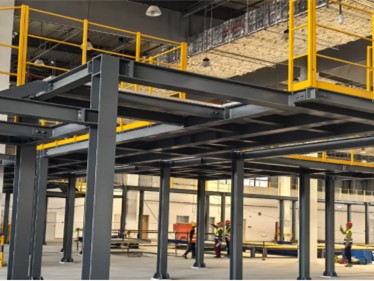
Nền tảng, lối đi và giàn kết cấu
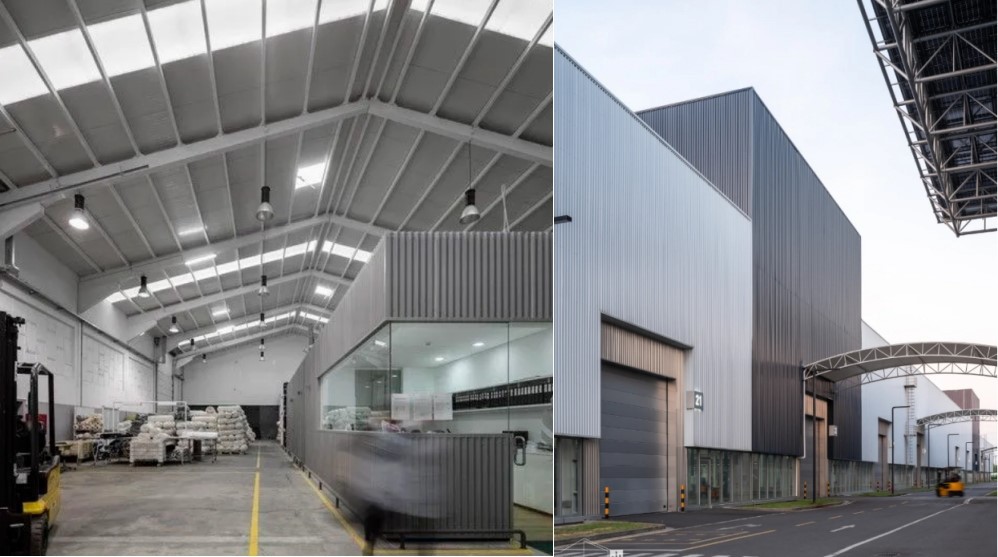
Các tòa nhà và nhà máy công nghiệp đòi hỏi những vật liệu chắc chắn có thể chịu được máy móc hạng nặng, tải trọng động và các điều kiện môi trường khắc nghiệt. Thép cung cấp sức mạnh, khả năng thích ứng và khả năng phục hồi cần thiết cho các cơ sở sản xuất và chế biến.
Ưu điểm & Tính năng chính
Độ bền cơ học cao
Hỗ trợ các thiết bị nặng, cần cẩu trên cao và các quy trình công nghiệp.
Khả năng chống căng thẳng và rung động
Duy trì tính toàn vẹn của cấu trúc dưới tải trọng động.
Tính linh hoạt trong thiết kế
Có thể được tùy chỉnh để phù hợp với những thay đổi về bố cục và yêu cầu công nghiệp.
Tuân thủ các tiêu chuẩn
Đáp ứng các tiêu chuẩn xây dựng và an toàn quốc tế.
Ứng dụng điển hình
Nhà máy, nhà xưởng, kho bãi
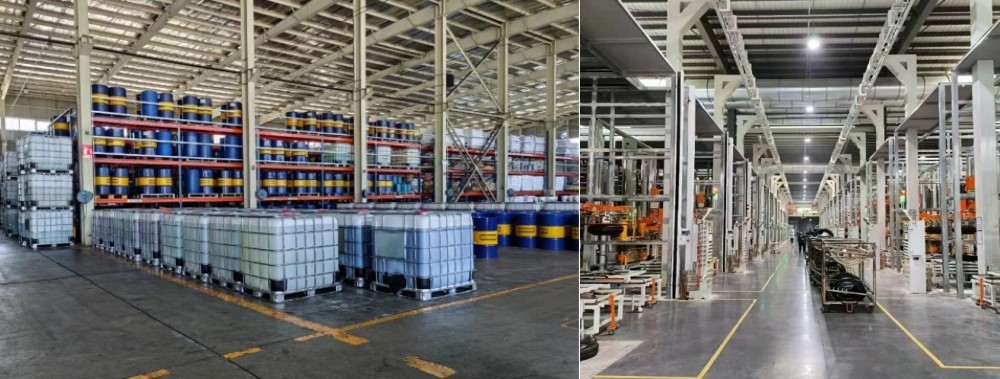
Nhà máy chế biến và cơ sở sản xuất điện
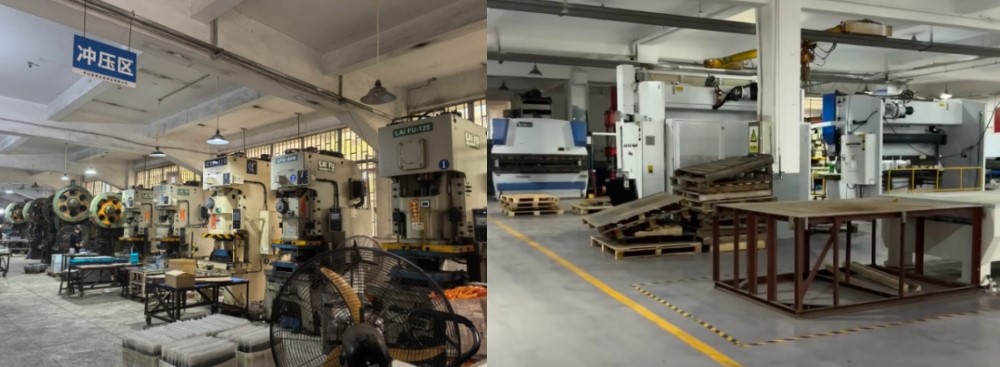
Sàn thiết bị, kết cấu hỗ trợ và nhà kho công nghiệp